Football Boots Care: How to Clean and Prolong Their Lifespan
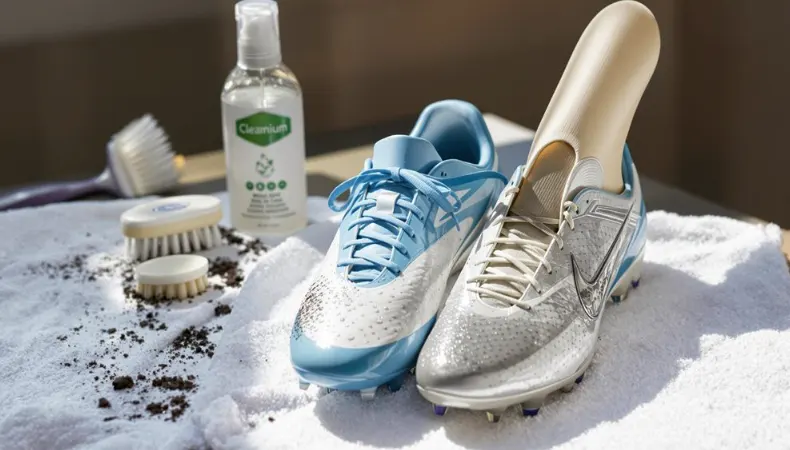
Want your football boots to last longer? Start cleaning them right after you play. Knock off mud and dirt first, then wash them with mild soap and water. Let them dry in open air – never use a clothes dryer or put them near a heater.
If you have leather boots, use a conditioner every few weeks to keep them soft. For synthetic boots, look for special protective sprays at sports shops. These products help your boots resist water and stay in good shape.
Try to own more than one pair if you can. This lets one pair dry fully while you wear the other. When you’re not using your boots, store them in a cool, dry place where air can flow around them.
These easy steps will add months to how long your boots last. Well-maintained boots grip the field better and help you play your best during matches and practice.
Why Football Boot Maintenance Is Essential?
Many players only think about improving their skills or training harder. But they forget something important – looking after their football boots. Good boot care helps you play better, feel comfortable, and makes your boots last longer.
Clean your boots after every game or practice. This simple habit stops the materials from wearing out too quickly. Mud, grass, and dirt can damage the leather or synthetic parts if left on too long. A quick wipe down with a damp cloth removes most dirt.
Your boots will serve you well on any playing surface when you maintain them properly. Dry them at room temperature – never near heaters or in direct sunlight. This prevents warping and cracking that ruins boots before their time.
Remember to check your studs or cleats regularly. Loose or worn studs affect your grip and might cause slips or falls during play. Replace them when needed to stay safe on the field.
Good boot care is simple. It just needs a little attention after each use. Your feet – and wallet – will thank you when your boots perform well game after game.
Understanding Different Football Boot Materials
Football boots come in different materials, and each type needs its own kind of care. Using the right cleaning method will keep your boots in top shape and make them last longer.
Leather Boots
Leather boots need special attention. They require conditioning to stay soft and need protection from water.
Clean them with mild soap and apply a leather protector afterward. This keeps the natural material supple and prevents cracking when they dry.
Synthetic Boots
Synthetic boots are easier to maintain. They need regular cleaning to keep their shape and performance.
Use a standard cleaning solution and wipe them down after matches. These boots dry faster than leather but can wear out if not cleaned properly.
Knit and Mesh Boots
Knit and mesh boots are more delicate. Clean them with a gentle brush and use very little water.
Too much moisture can damage the woven materials. Let these boots air dry completely before your next game.
Matching your cleaning routine to your boot material will improve your performance on the field and save you money in the long run.
Your Boot Care Toolkit
Now that you know different boots need different care, let’s look at what tools to keep handy.
A good boot care kit starts with the basics. You’ll need soft brushes to sweep away dried mud and dirt without scratching your boots.
Grab some microfiber cloths too – they clean gently and don’t leave scratches or lint behind.
Choose to clean products that match your boot material. Leather needs special soap, while suede requires a specific cleaner. For leather boots, add a conditioner to keep them soft and prevent cracking.
Canvas boots need milder soap options.
Keep your boots safe by avoiding harsh chemicals. Strong cleaners can strip color and damage materials.
Skip rough brushes and abrasive tools that can scratch or tear your boots.
With the right supplies, your boots will stay clean, functional, and last much longer.
Regular maintenance saves your money and keeps your footwear looking great.
Step-by-Step Guide to Cleaning Your Football Boots
Proper cleaning of your football boots starts with essential pre-cleaning steps that set the foundation for effective maintenance.
You’ll need to follow a specific cleaning process that removes dirt without damaging the boot materials.
Once cleaned, you must dry your boots correctly to prevent warping and maintain their structural integrity.
Pre-Cleaning Essentials
Get your boots ready before you clean them. Proper prep work makes all the difference in how your cleats look afterward.
First, take out the laces from your soccer boots. This simple step lets you reach all the nooks and crannies. Next, pull out the insoles. This helps prevent bad smells from building up inside your boots.
Tap your cleats together to knock off any loose mud or dirt. Use a soft brush to remove chunks without scratching the material. Then rinse your boots with cold water. The water helps loosen stubborn dirt that’s still stuck on.
| Prep Step | Why It Matters? | Tools Needed |
|---|---|---|
| Remove laces | Enables deeper cleaning | None |
| Extract insoles | Prevents odor buildup | None |
| Knock off excess mud | Prevents scratching | Soft brush |
| Rinse with cold water | Loosens remaining dirt | Running water |
These basic steps set you up for success. Your football boots will clean up better when you start with these prep moves.
Cleaning Your Football Boots Process
Football boots need regular cleaning to last longer. The process has four major steps that focus on different parts of your boots.
Start by removing loose dirt from the upper part of your boots. Shake off mud and wipe away grass before it dries and sticks. This makes the next steps easier and prevents damage to the boot material.
Next, clean the bottom of your boots. The soleplate and studs need special attention, since they grip the field. Scrub between the studs where mud often hides. Good traction keeps you from slipping during games.
The third step depends on the boot material. Leather boots need different care than synthetic ones. Follow the right method for your boot type to avoid damage. Leather needs conditioning, while synthetics just need gentle washing.
Finally, tackle any tough spots on your boots. Scuffs, stains, and hard-to-reach areas might need extra work. Use a soft brush for stubborn dirt without scratching your boots.
Regular cleaning keeps your football boots in top shape and helps them perform better on the field.
Drying the Boots
After you clean your football boots, drying them the right way is just as important. Many players don’t pay enough attention to this step.
Keep your boots away from radiators, heaters, or direct sunlight. These heat sources damage the materials and weaken the glue that holds your boots together. Instead, let them dry naturally at room temperature.
Stuff your wet boots with newspaper. The paper soaks up moisture from inside the boots and helps them keep their shape while drying. This simple step prevents the leather or synthetic material from cracking.
Proper boot drying extends the life of your footwear. Your cleats will last longer and perform better on the field when you take this extra care.
Good drying habits protect your investment in quality soccer shoes.
Maintaining Boots to Prolong Their Lifespan
To extend your football boots’ lifespan beyond basic cleaning, you’ll need to implement several maintenance practices regularly.
Leather boots require special hydration products to prevent cracking, while rotating between multiple pairs gives each set time to fully dry and recover from use.
Taking preventative measures like using appropriate boots for specific surfaces and removing them during non-playing activities will significantly reduce unnecessary wear and tear.
Hydration for Leather Boots
Your leather football boots need moisture just like your skin does. Regular care keeps them soft and stops them from drying out.
When you condition your boots properly, you prevent cracks and make them last much longer.
Put leather conditioner on your boots every 3-4 weeks to keep them in good shape. Pay special attention to areas that bend a lot, like the toes and heels.
These spots can dry out faster than other parts.
Stay away from products that contain petroleum. These can harm your boots instead of helping them.
Choose a conditioner made specifically for leather footwear.
Remember that more isn’t always better. Use just a small amount of conditioner each time.
Too much can actually weaken the leather and shorten your boot’s life.
Rotating Between Multiple Pairs
Owning several pairs of leather boots is a smart move. When you switch between different boots, each pair gets time to rest. This simple habit makes your boots last much longer.
Think of your boots like athletes. They need recovery time too! By giving each pair a break, the leather can dry out and keep its shape. Your boots won’t wear down in the same spots day after day.
| Boot Rotation Benefits | Impact on Longevity | Ideal Schedule |
|---|---|---|
| Reduces daily stress | Extends lifespan by 30-50% | Match day specific pair |
| Allows proper drying | Prevents early breakdown | Training pair rotation |
| Preserves boot shape | Maintains good support | Rest each pair 48+ hours |
| Spreads out wear | Keeps traction strong | 2-3 pairs minimum |
Boot rotation works best when you have at least two or three different pairs. Try to let each pair rest for two full days before wearing them again. This rest time helps the leather recover fully.
Match your boots to your activities. Save your best pair for game day. Use others for training. Your boots will last longer, and your feet will thank you too.
Preventative Measures
Want your football boots to last longer? Take action before problems start. This simple approach keeps your boots game-ready and saves your money.
Clean your boots right after you play. Use soap and water for most boots, or special cleaners for leather ones. Don’t wait until dirt hardens and damages the material.
Look over your boots before and after games. Check for loose stitching, worn studs, or cracks in the sole. Catching minor issues early prevents bigger problems later.
Store your boots properly. Keep them in a cool, dry place with good air flow. Never leave them in hot cars or damp gym bags where they can warp or grow mold.
Protect your investment with sprays made for football boots. These create a barrier against water, mud, and stains. Different boot materials need different protectors, so read labels carefully.
These simple steps take just minutes, but add months to your boot life. Your feet—and wallet—will thank you.
Proper Storage Tips
You spent good money on your soccer cleats and cleaned them well. Now you need to store them right to make them last longer.
Keep your cleats in a cool, dry spot. Too much heat or moisture can ruin the materials. This helps prevent cracking in leather cleats and keeps synthetic boots from warping.
When you travel with your footwear, use a breathable soccer bag. This protects your boots from getting squished or scratched. The airflow in these bags also stops mold from growing on damp cleats.
Never stuff your boots in a closed plastic bag. Your cleats need to breathe after use. Place some newspaper inside them to help soak up leftover moisture and keep their shape.
Store your cleats away from direct sunlight. The sun’s rays can fade colors and weaken materials.
Common Football Boot Care Mistakes
Are you taking care of your football boots properly? Many players damage their boots without even knowing it. Bad cleaning habits can cut your boots’ life short.
Never put your boots in the washing machine or dryer. These machines wreck the shape and materials of your footwear. The harsh spinning and heat break down glue and warp the structure.
Always dry your boots correctly after use or cleaning. Just stuff them with newspaper and let them air dry. Skip this step and you’ll soon notice ugly mold and terrible smells coming from your boots.
Don’t forget to clean the bottom of your boots, too. Dirt stuck in studs and soleplates affects your grip and performance on the field. A small brush works perfectly to remove mud from these hard-to-reach spots.
Leather boots need gentle care. Harsh cleaning products cause the leather to crack and wear out quickly. Use mild soap and water instead to keep leather soft and strong.
When to Replace or Upgrade Your Football Boots
Saying goodbye to your favorite boots isn’t easy. They’ve helped you score goals and make great plays on the field. But even with regular cleaning, boots don’t last forever.
Watch for these clear warning signs. It’s time for new cleats. Worn-down studs can’t grip the field properly and might cause you to slip during important plays.
Cracked or torn uppers let water in and don’t protect your feet anymore. If your boots hurt your feet even after breaking them in, your comfort and performance will suffer.
Money matters too. When fixing your old boots costs nearly as much as buying new ones, it’s smarter to upgrade.
New football boots often have better materials and features that might improve your game.
Trust your instincts. If your boots don’t feel right or look too damaged, it’s probably time to shop for a replacement pair that matches your playing style and position.
Sustainable Football Boot Care Practices
Want to make your football boots last longer while helping the planet? Try these eco-friendly boot care tips!
Taking care of your cleats doesn’t have to harm the environment. You can use simple household items like vinegar and baking soda to clean them instead of harsh chemicals. These natural cleaners work just as well and won’t pollute waterways.
Don’t rush to buy new boots when your current pair gets damaged. Fix them first. Small tears and loose studs are often repairable. This saves money and keeps perfectly good footwear out of landfills.
Outgrown your boots, but they’re still in good shape? Pass them on! Youth soccer programs always need equipment. Your old boots can help a child play who mightn’t otherwise afford proper gear.
When your boots finally wear out completely, look for recycling options. Many big brands like Nike and Adidas now run take-back programs. They turn old sports shoes into materials for tracks, playgrounds, and even new footwear.
Every small choice matters. How you care about your soccer gear can make a real difference to our planet’s future.
FAQ
How do I clean football boots after a muddy match?
To clean football boots after a muddy match, first remove the laces from the shoes. Use a gentle cleaning brush or an old toothbrush to remove any excess mud and debris. Then, create a mixture of mild detergent and warm water. Use this solution to scrub the boots, focusing on the soles. Finally, wipe them down with a flannel and let them dry completely.
What is the best way to dry my football boots?
To dry your football boots, avoid using a tumble dryer or placing them near direct heat sources. Instead, use a towel to absorb excess moisture and let them air dry in a well-ventilated area. If needed, you can use a hair dryer in a low setting, but be careful not to cause damage.
Can I use any detergent to clean football boots?
It’s best to use a mild laundry detergent when cleaning football boots. Harsh detergents can cause damage to the materials. Clean your boots according to the instructions. This is especially important for specialized materials like waterproof fabrics.
How often should I clean my football boots?
You should clean your football boots regularly, especially after muddy matches or practices. Keeping them clean will prolong the life of your boots and maintain their performance on the pitch.
What should I do if my football boots have grass stains?
For grass stains, first, let the stains dry. Then, use a mild cleaning solution with warm water and a gentle brush to scrub the affected areas. Follow the cleaning instructions for your specific boots to avoid any damage.
How can I prevent my football boots from smelling bad?
To prevent unpleasant odors, dry your football boots completely after each use. You can also sprinkle some baking soda inside the boots to absorb moisture and odors. Storing them in a breathable football bag can help keep them fresh.
Can I wash football boots in a washing machine?
It’s best to hand-wash football boots rather than using a washing machine. The agitation and heat from a washing machine can cause damage to the materials. Always refer to the cleaning instructions provided by the manufacturer.